

For years, same-sex couples in the United States faced a uniquely painful injustice: even if they were legally married, federal immigration law simply did not recognize them as spouses. This meant that a U.S. citizen could not sponsor a same-sex partner for a green card or access additional immigration benefits like humanitarian protections (asylum, u-visas, t-visas) and forms of relief from deportation. Couples were forced to live in a sort of legal limbo under the Defense of Marriage Act (DOMA). With no other options, many faced the difficult choice of leaving the United States or going without the legal benefits afforded to heterosexual couples in the same position. One case, though, would go on to challenge that law directly and change the landscape of immigration rights for same-sex couples forever.
In 2010, Serge Polajenko, a U.S. citizen, filed a petition for resident status on behalf of his husband, Oleg Zeleniak. The two men had a valid marriage under the laws of Vermont. The petition was denied, and when Polajenko appealed, it was denied again. The reason was simple: USCIS denied the petition because it did not adhere to the definition of marriage given in DOMA: marriage is between one man and one woman.
This meant that despite Polajenko and Zeleniak’s legally valid marriage in the state of Vermont, it had no bearing on federal immigration law. Simply put, same sex couples were not afforded the same rights as heterosexual couples that sought the same status.
Three years later, on June 26, 2013, the U.S. Supreme Court, in United States v. Windsor, held that Section 3 of DOMA was unconstitutional. While this case had nothing to do with immigration, the ruling had sweeping implications: it removed the federal barrier to recognizing lawful same-sex marriages. Remember, all of this is occurring prior to the landmark decision of Obergefell vs. Hodges in 2015 which guaranteed same-sex couples the right to marry in the United States. It is important to remind ourselves of the timeframe in which the Windsor decision occurred because it left open very pressing questions. For example, what did this mean, specifically, for same sex couples seeking immigration benefits and fighting against deportation away from their families in the United States?
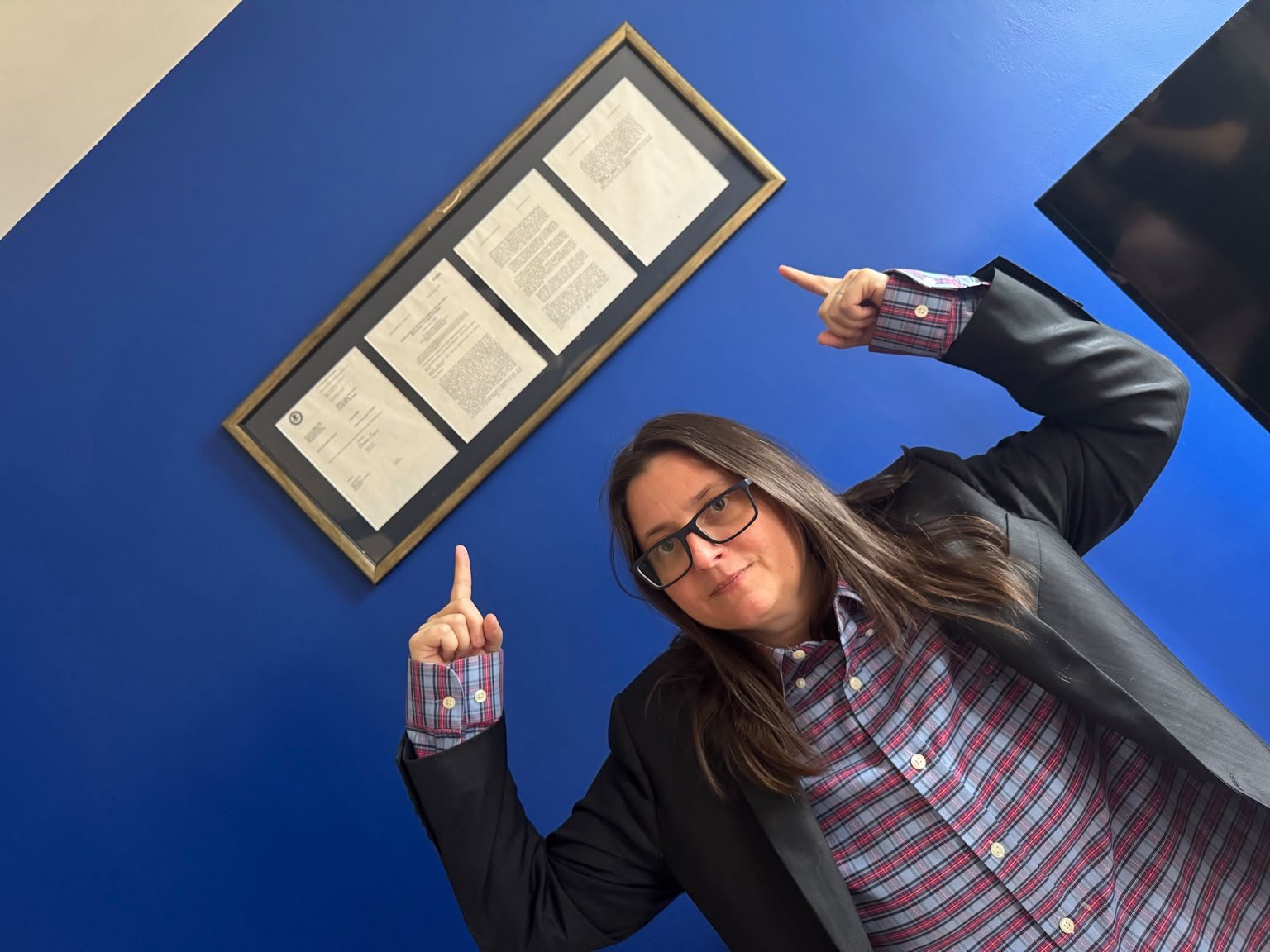
This is the environment in which Matter of Zeleniak and where Aldea’s Executive Director, Bridget Cambria, forever changed history for same-sex couples in the United States.
On July 17, 2013, the Board of Immigration Appeals (BIA) issued a decision overturning the prior denials in Polajenko and Zeleniak’s case, holding that the Supreme Court’s ruling in United States v. Windsor had removed the barrier to recognizing lawful same-sex marriages.The BIA found that same-sex married couples may be eligible to apply for immigration benefits under the Immigration and Nationality Act, including fiancé and fiancée visas, immigrant visa petitions, adjustment of status, and more.
The decision also settled an important legal question about which state’s law governs. The case clarified that under immigration law, the agencies look to the law of the state or country where the marriage took place to determine the validity of the marriage. This is known as the “place of celebration” standard. This meant that couples married in states like Vermont or Massachusetts would have their marriages recognized for federal immigration purposes, regardless of where they currently lived. With DOMA struck down, same-sex marriages were finally recognized under federal immigration law, allowing U.S. citizens and lawful permanent residents to petition for their spouses and ensuring that same-sex couples could access the immigration benefits, protections, and forms of relief available to other married couples.
Matter of Zeleniak was a landmark not just because of what it decided, but because of what it represented: the immigration system formally recognizing that LGBTQ+ families are real, valid, and deserving of the same protections as everyone else.
For immigration legal services organizations working with diverse communities, cases like this are a reminder of how much is at stake in federal law and policy. This is exactly the work that Aldea does every single day for LGBTQ+ immigrants who face compounding vulnerabilities in a system that was not designed with them in mind. Many of our LGBTQ+ clients flee persecution, violence, and criminalization in their home countries, only to encounter a legal landscape here that remains deeply uncertain and unevenly applied.
Aldea’s attorneys show up for these clients with the same fierce commitment we bring to every case, because as we believe at Aldea, true justice includes everyone. That means defending those who have the odds stacked against them, regardless of who they are or where they come from. Many of our staff identify as members of the LGBTQ+ community themselves, and that is not coincidental. The fight for equal rights and the recognition of human dignity is personal for us, just as it is for our clients. We do not just advocate for LGBTQ+ immigrants from the outside. We stand beside them as people who understand what it means to navigate a world that does not always see your full humanity. Our staff and our attorneys know better than anyone that a single precedent decision can open doors that had been locked for decades or close them just as quickly.