

This question has been on my mind a lot over the past year. As I reflect on the road our country has traveled since January 2025, I find myself holding many emotions at once: anger at rapid, arbitrary shifts in immigration policy, sadness at the suffering I have witnessed, concern that our legal systems are straining, if not breaking, under the extreme pressure. Alongside all of this exists a quiet hope that the work I do will help improve the situation in the years ahead.
Immigration has found its way to the front page and top story listings daily. As we read the stories, the commentary, and the response, we have all heard a lot of public conversation recently about our “community.” In official statements and public messaging, we are told that immigration enforcement is conducted to protect our neighborhoods, our families, and our shared future. We hear reassurances that the border will be “secured” and that these policies are designed to preserve order and safety. We have been presented a story of America, great again.
These statements force me to ask again, what is a community? Is it a political slogan? A talking point in a speech? A line in a policy memo about “public safety”? Is it a map of districts, or a list of “priorities” in an agency press release? Is it an abstract thing to be invoked when needed to secure a policy win? No. It is something else.
Though a picture has been painted regarding the positive goals of this enforcement push, as a legal professional on the front line of this battle, I see a different picture. I have seen increasing fear, anxiety, and uncertainty that has risen to unbearable levels. These feelings aren’t just felt by those targeted for enforcement, they are shared by their coworkers, classmates, congregations, friends, neighbors, and families. I have seen numerous social service providers, medical professionals, educators, and legal advocates struggle to contain the negative human consequences of the increased enforcement actions and rapid policy change. I feel their feelings of burn out, deep within my soul. The picture I see in my daily work isn’t a stronger social fabric, it’s a fabric pulled to the breaking point.
In many places, instead of a growing calm and restoration of law and order, people have experienced a sense of being under constant siege. Rather than a growing since of connection, I see widening divisions. Divisions between political viewpoints, between law enforcement agencies and the communities they serve, and even divisions within families as the reality of detention, deportation, or voluntary departure enters the household. Perhaps the most ironic and painful divide is the gap between the promise of the “American dream” and the daily reality for many of our immigrant neighbors who are simply trying to live, work, and raise their children in safety.
What is a community? Is a community the law written on the page, or is it the way that law lands in a living room at dawn when an officer knocks on the door?
After a year of watching the legal changes causing these negative outcomes, I can’t help but feel like the goal of this push isn’t improving legal compliance, it is to use the law to drastically increase the number of people who are unlawfully present in the United States. The legal changes have worked to revoke the legal status from so many people who were otherwise living in the United States in compliance with the law. Now, many more people are being targeted for immediate detention and deportation.
In this environment, everyday activities have become sources of fear. A trip to the grocery store, attending a school event, or attempting to seek medical care or access to justice all come with an implicit threat of an encounter with law enforcement, and a calculation about what risks are worth taking. Families fear the new reality that someone might not return home at the end of the work or school day. These are not abstract policy outcomes; they are concrete impacts on the well-being of entire neighborhoods, of citizens and noncitizens alike.
The pace of the changes has been nauseating. I feel as if the law itself has begun to feel less like a source of stability and more like another unpredictable force in people’s lives. When laws change abruptly and rules are enforced unevenly, everyone will feel it, eventually. Familiar faces disappear. Families lose access to long-established pathways that once allowed them to seek protection or normalize their legal status. Courts face mounting caseloads and rapidly shifting standards. Workers lose their livelihoods as their work authorization is disrupted or revoked.
What is a community? Perhaps a community is merely the people experiencing this chaos being enacted in the name of order?
Perhaps it is the worker who is afraid to drive to a job site, and the employer who worries about losing a trusted team member? Perhaps it is the parent who hesitates to attend a school meeting, and the teacher who wonders why a once-engaged student is suddenly absent? Perhaps it is the longtime resident who believed that increased enforcement would bring safety, who is now watching friends, parishioners, or coworkers disappear from their daily life?
After a year of chaos in the name of order, it is abundantly clear that when enforcement actions destabilize one group, the ripple effects reach all groups. When enforcement practices create more chaos than order, when enforcing the law generates problems larger than the ones the law was meant to solve, the impact does not stop at the person being deported. It reverberates through every part of our shared life. Recognizing this is not a partisan statement; it is an observation grounded in what I have seen every day in my work.
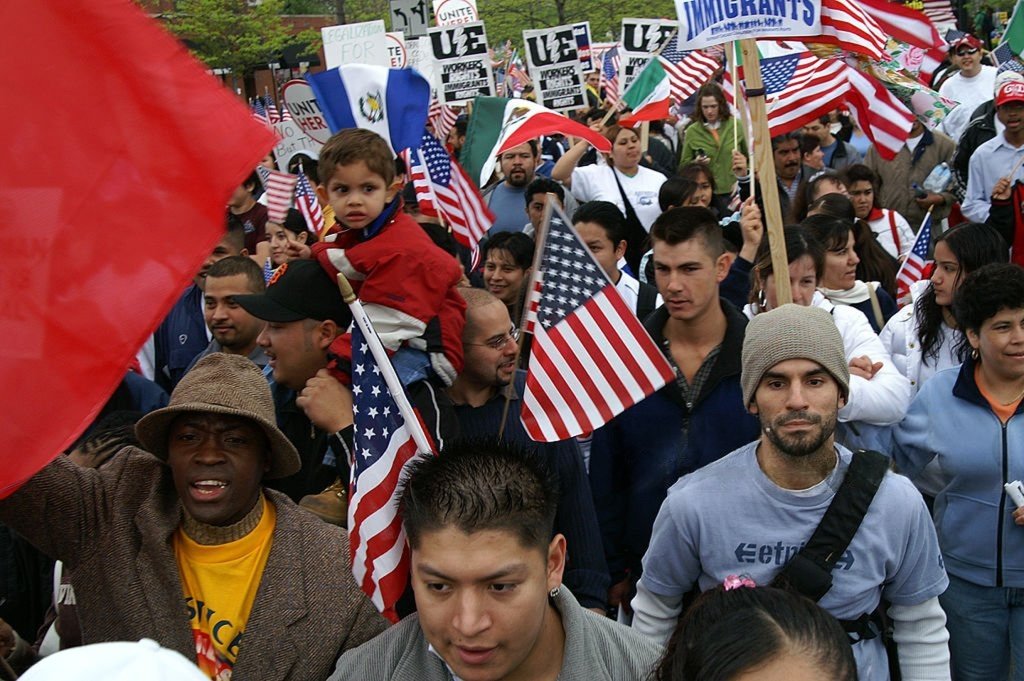
The past year of my career has been one of the most difficult. Yet hidden in that daily struggle is an answer to the question. As I have fought to hold the government to the law as much as they wish to hold the law to my clients, I’ve begun to realize what a community is. It is the new arrival, their citizen neighbor whose family has lived on the same street for generations. It is the family that is being deported, and the citizen child who used to sit next to their kids in class every day. It is the construction worker, the hotel custodian, the nurse, the bus driver, the factory worker, the gardener, the pastor, the coach, the caseworker, the doctor and all of the other vital people who help make our society function, whose absence is immediately damaging. It is the person in deportation proceedings, and, yes, even their deportation officer.
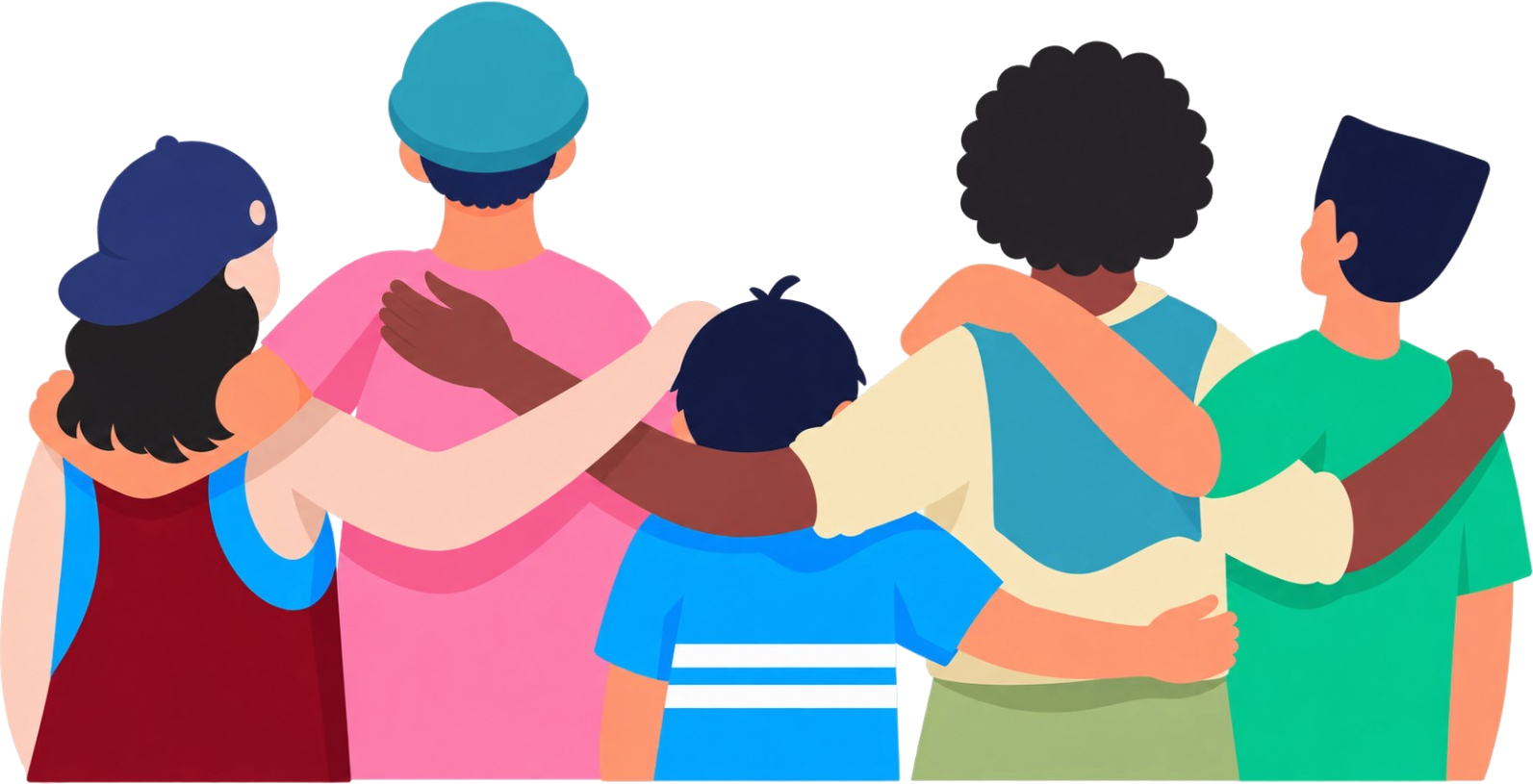
What is a community? It is all of us.
That is why when members of a community feel that they are being targeted or treated as expendable, it is natural for others to speak up. What might look like “pushback” or obstruction from the outside is, from the inside, a community’s instinct for self-preservation—a way of saying that no one who belongs here should be treated as disposable.
What is a community? It is not “us” protecting ourselves from “them.” It is the network of relationships that bind us together, that is tested and revealed when some of us are targeted. It is the recognition that when one part of the community is under pressure, we all feel the weight.
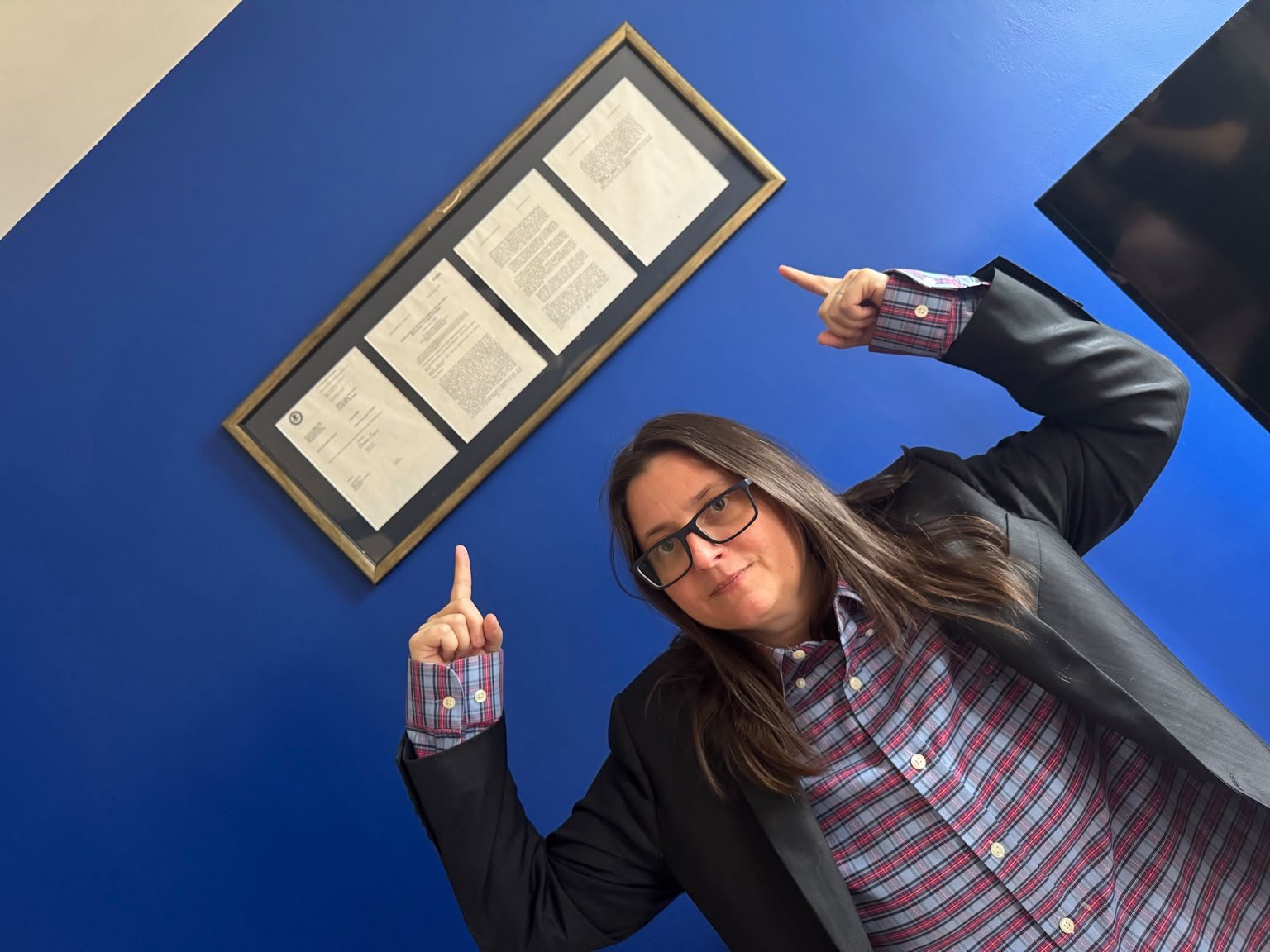
As an immigration attorney, I stand in a particular place within this landscape that lets me see a lot. Yes, over the last year I have seen the fear and exhaustion in my clients’ eyes, but I have also seen something else: courage, generosity, and an extraordinary capacity for solidarity.
I have been lucky enough to work with a team of individuals who do incredible work, often ignoring the personal costs to do so. I have seen clients support each other in our waiting room, sharing advice, tissues, and sometimes laughter. I have seen families refuse to give up on seeking a better future, even after setbacks in court. In the midst of a climate of fear, I have seen people show up for one another with a depth of care that defies cynicism. These efforts do not erase the harm, but they demonstrate that a different way of relating to each other is possible, even in difficult times.
We are not powerless. Every time a neighbor offers a ride to work or to court, every time a teacher checks in on a worried student, every time someone takes the time to learn about the immigration system and its human impact, the fabric of community is strengthened. These small acts, multiplied across a city or a region, are the reason I remain hopeful.
Our community, our aldea, is all of us– immigrants and non-immigrants alike– who are living through this moment together. It is the people who are most vulnerable and the people who refuse to abandon them. It is everyone who believes that safety and dignity should not be reserved for a few, but shared by all who call this place home.
Our commitment, as an organization, is to stand with this community: to offer legal support, to bear witness to what we see, and to work toward a future in which our laws protect, rather than fracture, the bonds that hold us together.